If you are shopping in the Hollywood Hills, architecture is not just about curb appeal. It shapes how a home sits on the lot, how much light you get, how private the space feels, and what ownership may look like over time. When you understand the styles common to this hillside market, you can compare homes with more confidence and spot what truly fits your lifestyle. Let’s dive in.
Why Hollywood Hills Architecture Varies
The Hollywood Hills has a mixed architectural identity for a reason. According to a Los Angeles Planning survey of hill houses, both the steep topography and the era of development shaped what was built in different pockets.
In early areas like Hollywoodland, homes were originally restricted to styles such as French Norman, Tudor, Mediterranean, and Spanish Colonial Revival. Over time, hillside building conditions also encouraged more modernist design solutions, including terraces, slope-adapted floor plans, and layouts that respond directly to the lot.
That is why two homes on nearby streets can feel completely different. In the Hollywood Hills, the lot, the view, and the period of construction often matter just as much as the style name in the listing.
Mid-Century Modern Homes
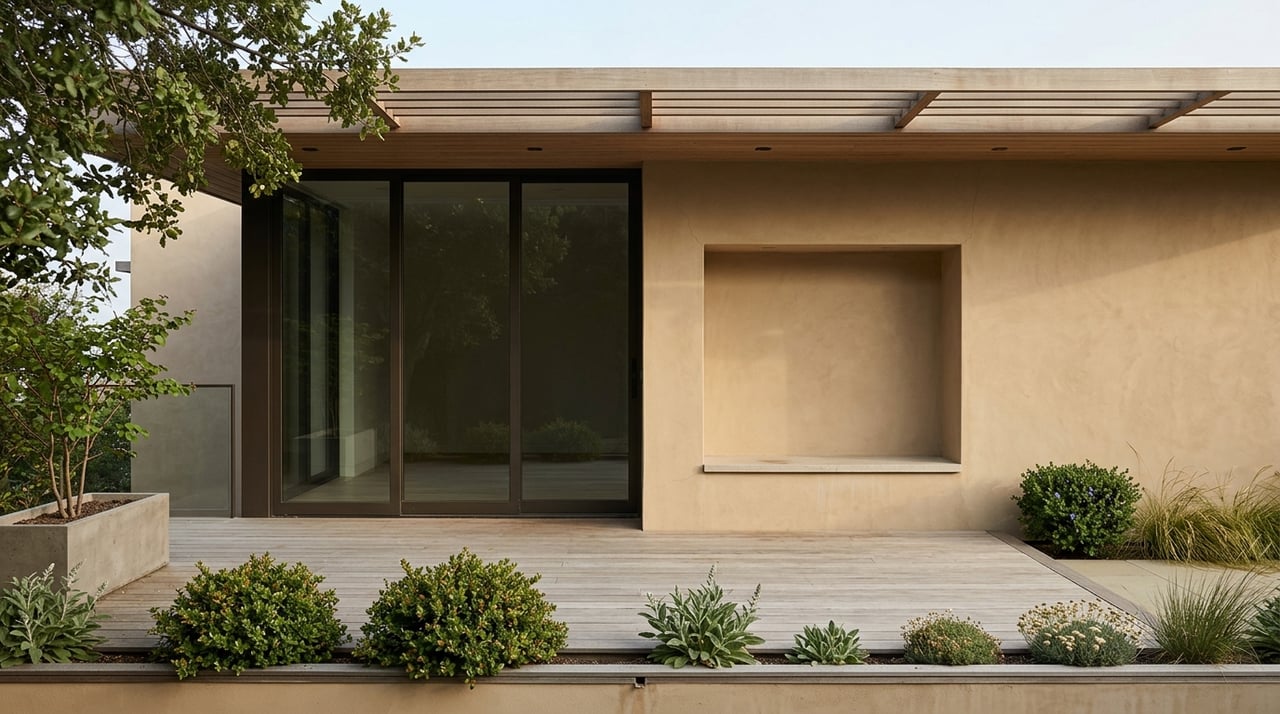
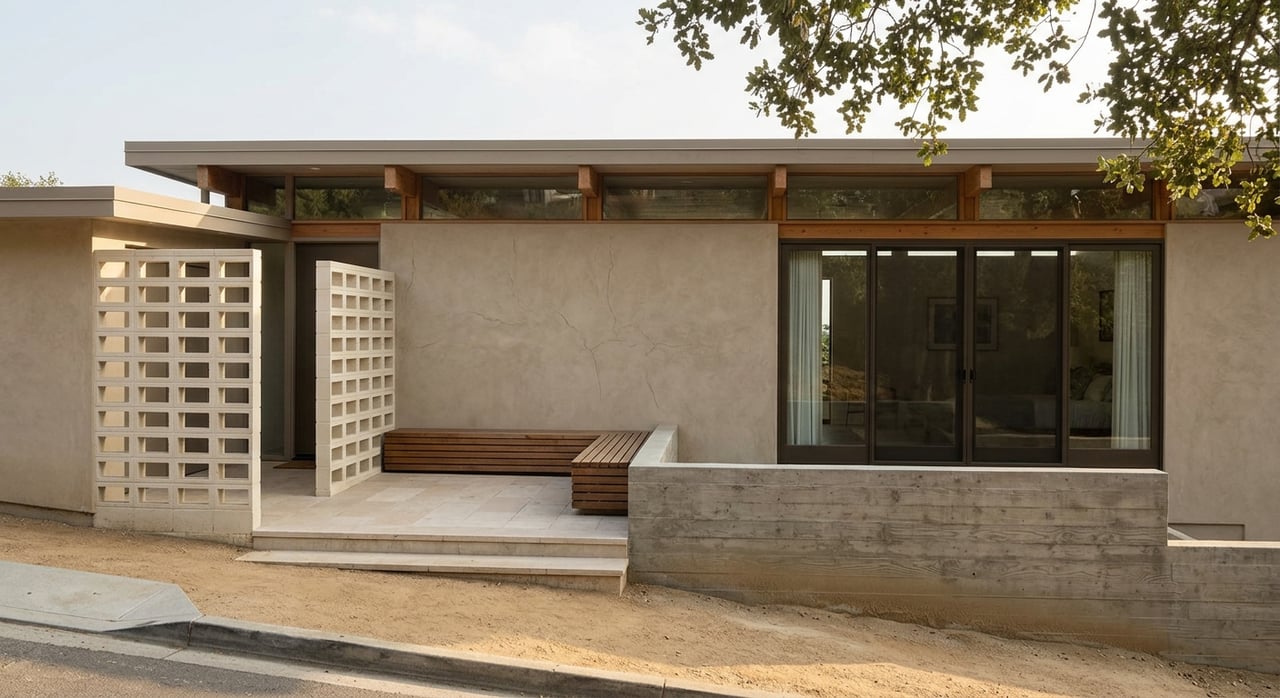
Mid-century modern is the style many buyers picture first when they think about the Hollywood Hills. Landmark examples highlighted by the LA Conservancy’s Bailey House profile reflect the features buyers often see here: steel-frame construction, flat roofs, open layouts, and large expanses of glass.
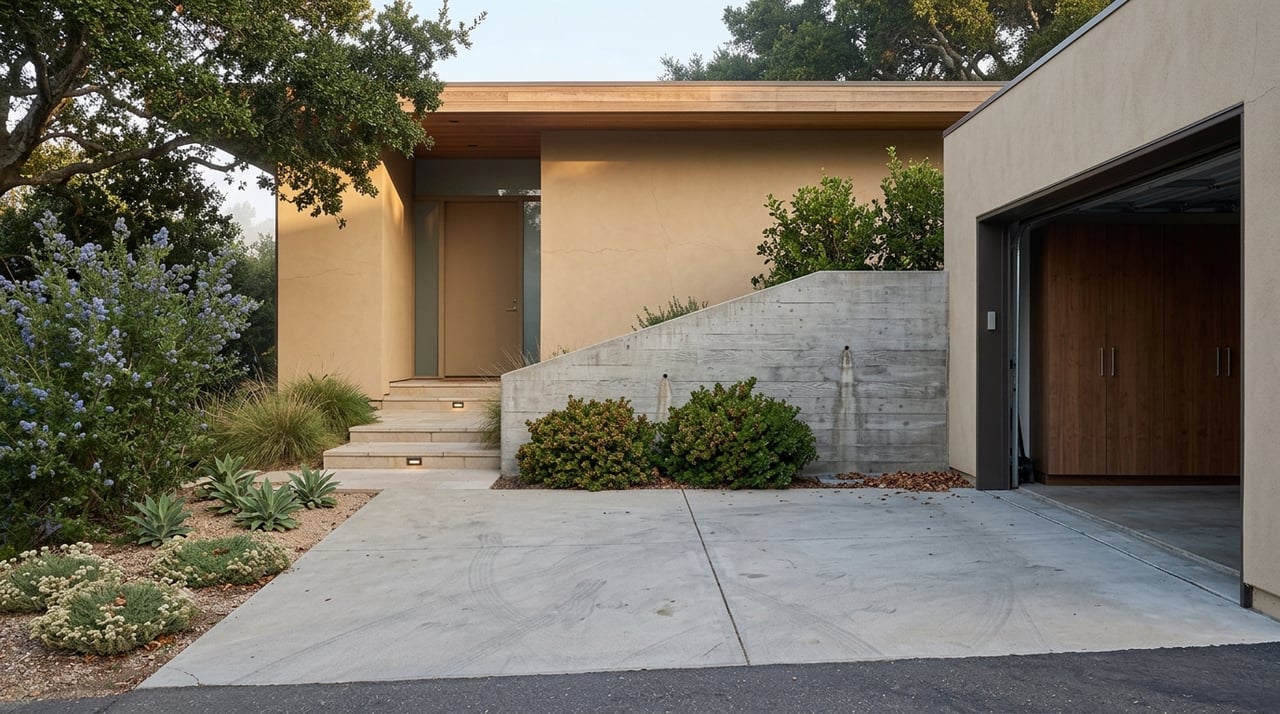
These homes are especially well suited to hillside living. Instead of forcing a flat plan onto a steep lot, many modernist homes use split levels, terraces, nontraditional entries, or carports to work with the slope.
What Buyers Usually Notice
You will often see listing language like:
- Case Study House
- steel-frame
- post-and-beam
- flat roof
- glass walls
Those terms usually point to mid-century modern or related modernist design. Homes in this category often prioritize views and daylight, with more privacy on the street side and greater openness toward the view side.
What Ownership May Feel Like
Mid-century modern homes can deliver a strong indoor-outdoor experience, especially when the layout frames the hills or city skyline. They also tend to come with a maintenance profile centered on glass, seals, flat roofs, and exposed structural elements.
That does not make them less desirable. It simply means style and upkeep often go hand in hand, so buyers should weigh both the design appeal and the practical side of ownership.
Spanish Colonial Revival And Mediterranean Homes
Older parts of the Hollywood Hills still include Spanish Colonial Revival and Mediterranean revival homes. The same Los Angeles Planning survey notes that early Hollywoodland allowed these styles and that Spanish Colonial Revival homes could use continuous stucco walls and asymmetrical massing to adapt to hillside sites.
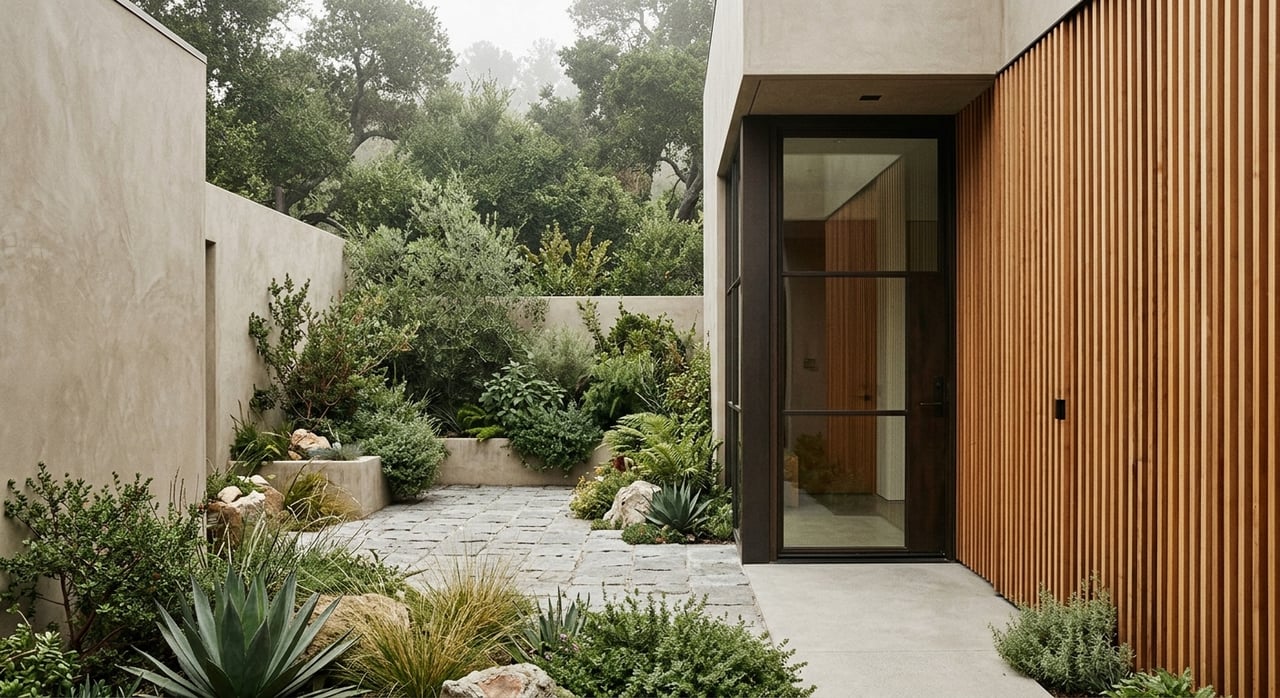
For many buyers, these homes offer a very different experience from all-glass modern houses. They often feel more enclosed, more textured, and more layered in how indoor and outdoor spaces connect.
Common Features To Look For
In listings and showings, you may notice:
- courtyards
- arches or archways
- stucco exteriors
- tile details or tile roofs
- wood doors
- walled or gated entries
These details can create warmth and a strong sense of character. They also tend to soften the transition between house and landscape in a way that feels timeless in hillside settings.
How They Live Day To Day
Spanish Colonial Revival homes often have smaller openings than modernist homes, but they can still offer excellent outdoor living through courtyards, patios, and sheltered exterior spaces. In practical terms, their maintenance profile usually leans more toward roof, plaster, and finish work tied to stucco, tile, wood, and iron details.
If you want architecture with a classic Los Angeles feel, this category is worth serious attention. It can be especially appealing if you prefer privacy and character over a fully exposed glass-box layout.
Contemporary Homes And Newer Construction
Contemporary homes are also common in the Hollywood Hills, especially on view lots where a rebuild or major redesign supports a more dramatic expression. A Hollywood Hills house featured by ArchDaily describes the design as merging with the landscape rather than standing apart from it.
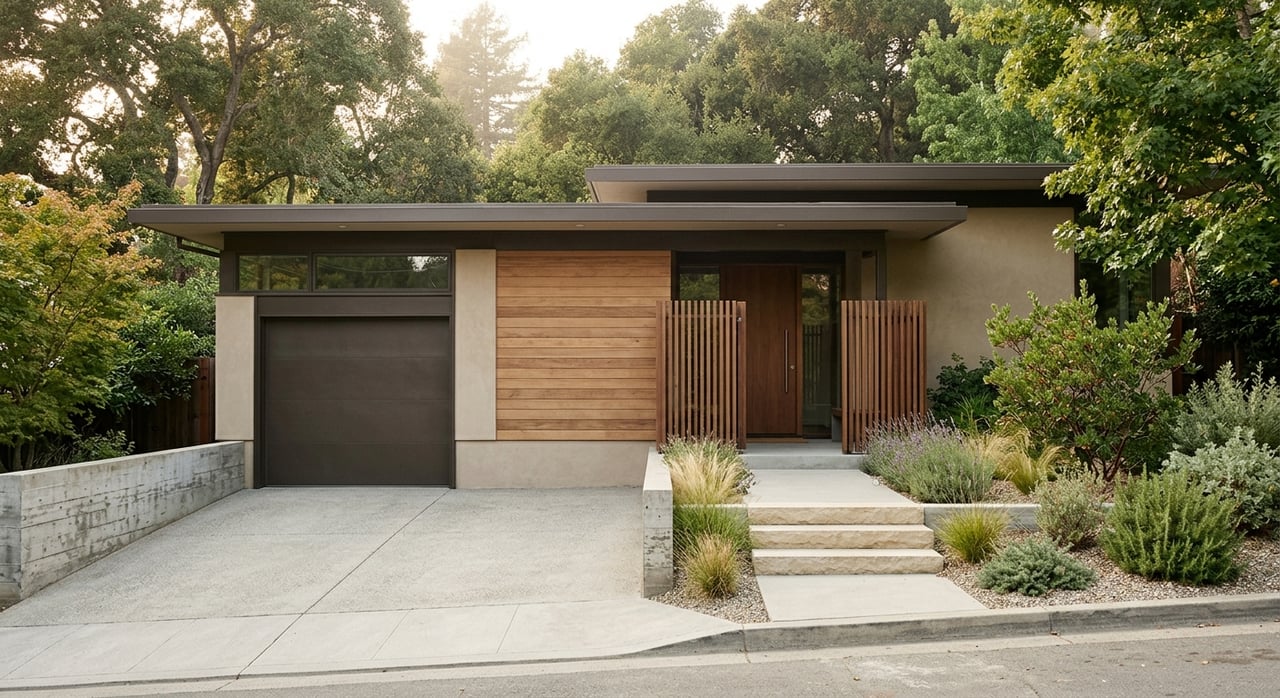
That idea shows up often in newer construction throughout the area. Many contemporary homes are designed to maximize light, sightlines, and large-scale entertaining spaces.
Listing Terms That Signal Contemporary Style
You may see phrases like:
- open floor plan
- pocket doors
- roof deck or rooftop terrace
- infinity pool
- floor-to-ceiling windows
These features usually point to a newer home or a major redesign. They also often reflect a design strategy centered on views, seamless indoor-outdoor flow, and strong visual impact.
What Buyers Should Keep In Mind
Contemporary homes often deliver some of the cleanest lines and brightest interiors in the Hills. At the same time, they may concentrate maintenance around glazing, waterproofing, decks, roofs, and complex systems.
For buyers, the value question is usually less about whether the design is impressive and more about whether the construction quality and systems match the asking price. In a hillside setting, those details matter.
Traditional Revival Homes
Not every Hollywood Hills home is modern or Mediterranean. Traditional revival homes remain part of the area’s architectural mix, particularly in older sections where Tudor, French Norman, and related forms survived from early development periods, according to the city’s hill house survey.
These homes usually read as more formal and enclosed than modernist or contemporary properties. For some buyers, that can be a welcome contrast.
What This Style Often Offers
Traditional homes in the Hills may appeal to you if you prefer:
- more room separation
- a classic exterior look
- less glass exposure from the street
- older architectural detailing
They can provide character without requiring the all-glass lifestyle many people associate with the neighborhood. Still, older systems, original windows, and later additions deserve careful review during the buying process.
How Style Affects Layout And Light
In the Hollywood Hills, architecture is closely tied to how a home functions. A style choice here is rarely just cosmetic.
Modernist and contemporary homes often prioritize open sightlines, large glass surfaces, and dramatic connections to views. That can create amazing natural light, but it can also bring more visual exposure and a different privacy dynamic depending on the lot.
Spanish Colonial Revival and traditional homes often divide space more clearly. They may feel more sheltered, with outdoor areas defined by courtyards, patios, walls, or garden-like transitions rather than one large glass opening to the exterior.
As you tour homes, it helps to ask yourself a few simple questions:
- Do you want open sightlines or more separated rooms?
- Is your priority daylight, privacy, or a balance of both?
- Do you want architecture that frames the view or architecture that feels more inward and sheltered?
- Are you comfortable with the maintenance profile that comes with the style?
Those answers can narrow your search faster than price alone.
What Architecture Means For Price
Hollywood Hills remains an upper-tier market, but neighborhood-level price benchmarks vary by source. The research report notes that recent March 2026 data places the market roughly in the mid-$1 millions to low-$2 millions, depending on whether you are looking at sale price, listing price, or typical home value.
For buyers, the bigger point is that architecture affects price, but it usually does not determine price by itself. In the Hollywood Hills, premium is more often tied to a combination of view, privacy, lot usability, preservation status, and whether a home is original, well restored, or a newer architect-driven rebuild.
That means two homes with the same square footage can trade very differently. A dramatic contemporary home on a strong view lot may compete in a different way than a charming revival home with more limited outdoor usability.
Smart Ways To Read Listings
If you are comparing homes online before touring in person, architectural vocabulary can tell you a lot. In Hollywood Hills listings, these phrases often provide quick clues:
- Case Study House, steel-frame, post-and-beam, flat roof, glass walls usually suggest mid-century modern or modernist design
- Spanish Colonial Revival, courtyard, archways, stucco, tile usually suggest a revival-era home with layered indoor-outdoor spaces
- Contemporary, open floor plan, pocket doors, roof deck, infinity pool usually point to newer construction or a major redesign
- Traditional, Tudor, French Norman, classic usually indicate a more formal revival style
These terms are not a substitute for seeing the property in person, but they can help you filter listings more efficiently and focus on homes that match the way you actually want to live.
Choosing The Right Style For You
The best home in the Hollywood Hills is not always the one with the most famous style label. It is the one that matches your priorities on layout, views, privacy, maintenance, and long-term value.
If you love dramatic light and iconic lines, a mid-century modern or contemporary home may be the right fit. If you want warmth, texture, and a more sheltered feel, Spanish Colonial Revival or traditional revival homes may feel more natural.
The key is knowing how to separate architectural appeal from practical fit. That is where local guidance can make your search much more focused.
If you are planning a move in the Hollywood Hills and want help comparing on-market and private opportunities, connect with Anton Ismailyan for strategic, local guidance tailored to your goals.
FAQs
What architectural styles are most common for buyers in the Hollywood Hills?
- Buyers will commonly encounter mid-century modern, modernist, Spanish Colonial Revival, Mediterranean revival, contemporary newer construction, and traditional revival homes such as Tudor or French Norman.
What makes mid-century modern homes in the Hollywood Hills different?
- Mid-century modern homes in the Hollywood Hills often use flat roofs, glass walls, open layouts, and slope-adapted designs that work with steep lots and highlight views.
What should buyers know about Spanish Colonial Revival homes in the Hollywood Hills?
- Spanish Colonial Revival homes in the Hollywood Hills often feature stucco, arches, courtyards, and tile details, with a layout that may feel more enclosed and private than modern glass-heavy homes.
How does architecture affect price in the Hollywood Hills?
- Architecture can influence price, but value is usually driven by a mix of style, views, privacy, lot usability, condition, and whether the home is original, restored, or newly rebuilt.
What listing terms should buyers watch for in Hollywood Hills home searches?
- Helpful listing terms include Case Study House, post-and-beam, courtyard, archways, contemporary, pocket doors, roof deck, Tudor, and French Norman because they often signal the home’s architectural style and layout approach.