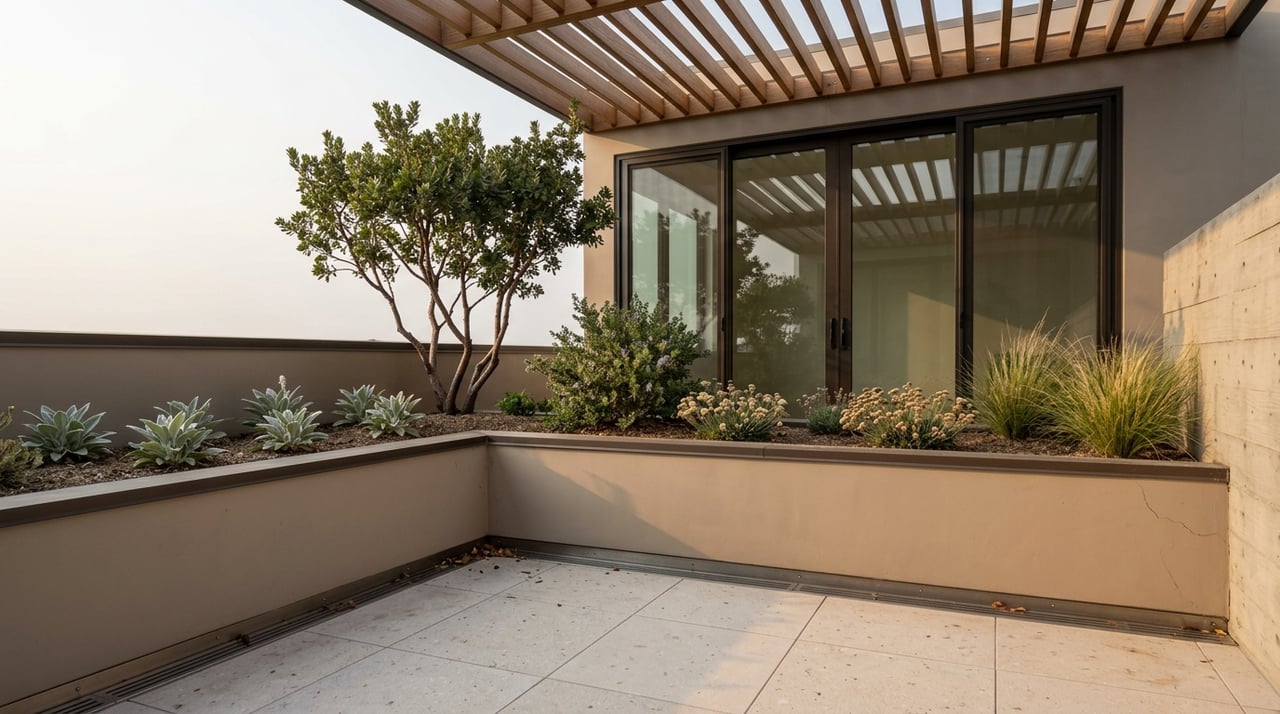
If you are buying a view home in the Hollywood Hills, you are not just shopping for square footage. You are weighing scenery, privacy, access, slope, fire risk, insurance, and long-term upkeep all at once. The right purchase can feel exceptional, but the wrong one can come with expensive surprises. This guide will help you look past the first impression and focus on what really matters before you buy. Let’s dive in.
Why Hollywood Hills View Homes Stand Out
View homes in the Hollywood Hills sit in a market shaped by scarcity and location. Recent neighborhood trackers place values in a broad range, with figures around $1.739 million for median sale price, $1.849 million for median listing price, and about $1.95 million for average home value in late March 2026. Those numbers are best understood as a range because each source measures something different.
That price spread also tells you something important. In the Hollywood Hills, no two properties are exactly alike, especially when views, lot shape, access, and hillside conditions vary from one street to the next. A home with a similar bedroom count may trade very differently if its view corridor is wider, cleaner, or less likely to be blocked in the future.
What Drives View-Home Value
A great view adds value, but it does not work like a flat percentage. The Appraisal Institute notes that scenic value is highly site-specific, and even neighboring parcels can have very different view potential because of topography and orientation. That is why one home may offer a partial city-light view while the one next door captures a much broader panorama.
For you as a buyer, the key is to judge the quality of the view, not just the fact that a view exists. A panoramic corridor usually carries more value than a narrow or framed view. It also matters whether the outlook feels stable or whether future improvements on nearby lots could change it.
Fannie Mae’s appraisal guidance also reinforces that view and site influence should be identified clearly in valuation. In practical terms, this means unique Hollywood Hills homes can be harder to appraise because truly similar comparables may be limited. If you are financing, that can matter just as much as the list price.
Look Beyond Today’s View
When you tour a property, try to think ahead. Ask how much of the outlook is tied to the home’s elevation, lot position, and surrounding topography. A beautiful view today is more compelling when it also appears less vulnerable to future obstruction.
It is also worth paying attention to lot usability. Sometimes a home with a slightly smaller view can still be the better buy if the lot is easier to maintain, the outdoor space is more functional, and access is simpler day to day. In the Hills, value is rarely about just one feature.
Fire Risk Is Part of the Purchase
Hollywood Hills is not only a luxury market. It is also a hillside and wildfire market. The City of Los Angeles safety element identifies Hollywood among communities included in the city’s Very High Fire Hazard Severity Zone, and the State Fire Marshal explains that hazard mapping takes into account vegetation, terrain, embers, topography, and fire weather.
That means you should check fire-zone status parcel by parcel rather than assuming every property on the same street carries the same risk profile. Two homes in the same general area may still differ in exposure, defensible space needs, and insurance implications.
Brush Clearance and Ongoing Upkeep
For many buyers, one of the biggest hidden costs is ongoing brush and vegetation maintenance. Los Angeles Fire Department brush-clearance rules require owners in the Very High Fire Hazard Severity Zone to maintain hazardous vegetation within 200 feet of structures and within 10 feet of combustible fences or travel paths like roadways and driveways. Grass must be cut to 3 inches, roof debris must be cleared, and trimming rules apply to trees and shrubs.
This is not a one-time project. It is part of owning a hillside property. If you are budgeting for a Hollywood Hills view home, make sure your monthly and annual ownership costs account for that reality.
Insurance Can Shape Your Options
Insurance deserves attention early, not late. The California Department of Insurance says the FAIR Plan is the insurer of last resort and offers limited fire-related coverage unless additional options are added. In some cases, buyers may need a separate difference in conditions policy for broader protection.
The same department also notes that wildfire-hardening steps may qualify policyholders for discounts. For you, this means insurance should be part of your buying strategy from the start. A home with a strong view but difficult coverage terms may not feel as attractive once the full ownership picture comes into focus.
Hillside Access Affects Daily Life
A view home can feel dramatic from the curb, but day-to-day access matters just as much as aesthetics. Los Angeles hillside rules address issues like parking, street access, fire protection, setbacks, height, lot coverage, grading, and sewer connection. Even if you are buying a turnkey property, those rules can still affect how practical the home feels.
Start with the basics. Consider how easy it is to enter and exit the driveway, whether guest parking is realistic, and how the street functions during normal daily use. A spectacular setting can lose some of its appeal if access is consistently inconvenient.
Future Remodel Plans May Cost More
If you think you may expand, renovate, or significantly rework the home later, the Baseline Hillside Ordinance matters even more. The city guide notes that some hillside properties may require street dedication or added approvals on substandard hillside limited streets. In some cases, a minimum 20-foot continuous paved vehicular access route is required before permits will be issued.
The same guide also states that sprinklers may be required for certain new buildings or larger additions. A project that seems straightforward on paper can quickly become more expensive once hillside rules, access requirements, and fire-protection standards enter the picture.
Grading and Soils Matter More Than Buyers Expect
Steep lots come with a different set of questions than flat-city parcels. Los Angeles hillside guidance says grading quantities are capped, new graded slopes generally may not be steeper than 2:1, and very steep sites can trigger stricter geotechnical analysis and on-site inspection requirements.
That is why soils reports, grading permits, and slope-repair history matter so much. Before you get too attached to the view, you want to know how the site has performed and what work has already been done. A home that appears polished on the surface may still have underlying hillside issues that deserve closer review.
Documents Worth Reviewing
For a serious purchase, ask your agent to help you review available property records and disclosures carefully. Helpful items may include:
- Soils or geotechnical reports
- Grading and building permits
- Retaining wall history
- Drainage improvements or repairs
- Slope movement or erosion records
- Fire-zone status information
- Insurance quotes and coverage options
The goal is simple: you want to understand both the beauty of the property and the responsibilities that come with it.
Drainage Is an Ownership Issue
In the Hollywood Hills, drainage is not just an engineering term. It is part of regular homeownership. The City of Los Angeles hillside storm guide says property owners are responsible for maintaining yard and slope areas, especially before the rainy season.
The city recommends keeping drainage directed toward the street or another approved watercourse, cleaning gutters and catch basins, maintaining berms and retaining walls, and addressing erosion or slope movement right away. If a property has deferred maintenance in these areas, the long-term cost can build quickly.
When you walk a home, look for clues that water management has been taken seriously. Clean drainage paths, maintained retaining features, and signs of consistent upkeep can tell you a lot. On a hillside lot, prevention matters.
Title Review Can Protect Your Plans
Title review is especially important with view properties. The California Department of Real Estate explains that recorded instruments provide constructive notice, and title insurance plus the preliminary report are standard tools for identifying recorded interests and exceptions.
For you, this can reveal issues that affect privacy, access, remodeling, or even how the property is used. Easements, access rights, and other recorded restrictions may not be obvious when you first visit a home. They can still affect your future plans in a very real way.
Questions to Ask Before You Buy
A smart Hollywood Hills purchase usually comes down to asking better questions. Instead of stopping at “Do I love the view?” ask:
- How broad and stable is the view corridor?
- Could nearby improvements change the view?
- Is the parcel in a Very High Fire Hazard Severity Zone?
- What will brush clearance and regular maintenance likely involve?
- How available and affordable is insurance?
- What do soils, grading, and drainage records show?
- Is the driveway, street access, and parking workable for daily life?
- If you remodel later, what hillside rules may affect cost and timing?
These questions help you judge the full value of the home, not just the emotional pull of the setting.
The Best View Homes Balance Beauty and Practicality
The strongest buys in the Hollywood Hills usually combine a compelling view with manageable site conditions. That can mean better access, documented improvements, thoughtful drainage, clearer insurance options, and a maintenance load that fits your budget and lifestyle. In other words, the ideal property is not just beautiful. It is workable.
If you are planning a purchase in this market, local nuance matters. A strategic search can help you compare not only what is publicly listed, but also which properties make sense once you factor in hillside ownership realities. If you want guidance on on-market opportunities or discreet private inventory in the Hollywood Hills, connect with Anton Ismailyan.
FAQs
What affects value when buying a view home in the Hollywood Hills?
- Value often depends on the quality of the view corridor, lot usability, orientation, obstruction risk, and how comparable the property is to other nearby sales.
What fire risk should buyers check for Hollywood Hills homes?
- Buyers should confirm whether the specific parcel is in a Very High Fire Hazard Severity Zone and review ongoing brush-clearance obligations, insurance availability, and wildfire-hardening considerations.
What should buyers know about insurance for Hollywood Hills view homes?
- Insurance can be more complex in hillside fire-risk areas, and some properties may require limited FAIR Plan coverage plus additional policies for broader protection.
What hillside property records should buyers review in Los Angeles?
- Buyers should review available soils reports, grading permits, retaining wall history, drainage records, slope repairs, title documents, and any recorded access or easement issues.
What does the Los Angeles hillside ordinance mean for future remodels?
- Hillside rules can affect street access, parking, grading, fire protection, and permit requirements, which may increase the cost or complexity of additions and major renovations.
Why is drainage important when buying a Hollywood Hills home?
- Drainage is a core maintenance issue on hillside lots because poor water control can contribute to erosion, slope movement, and added repair costs over time.