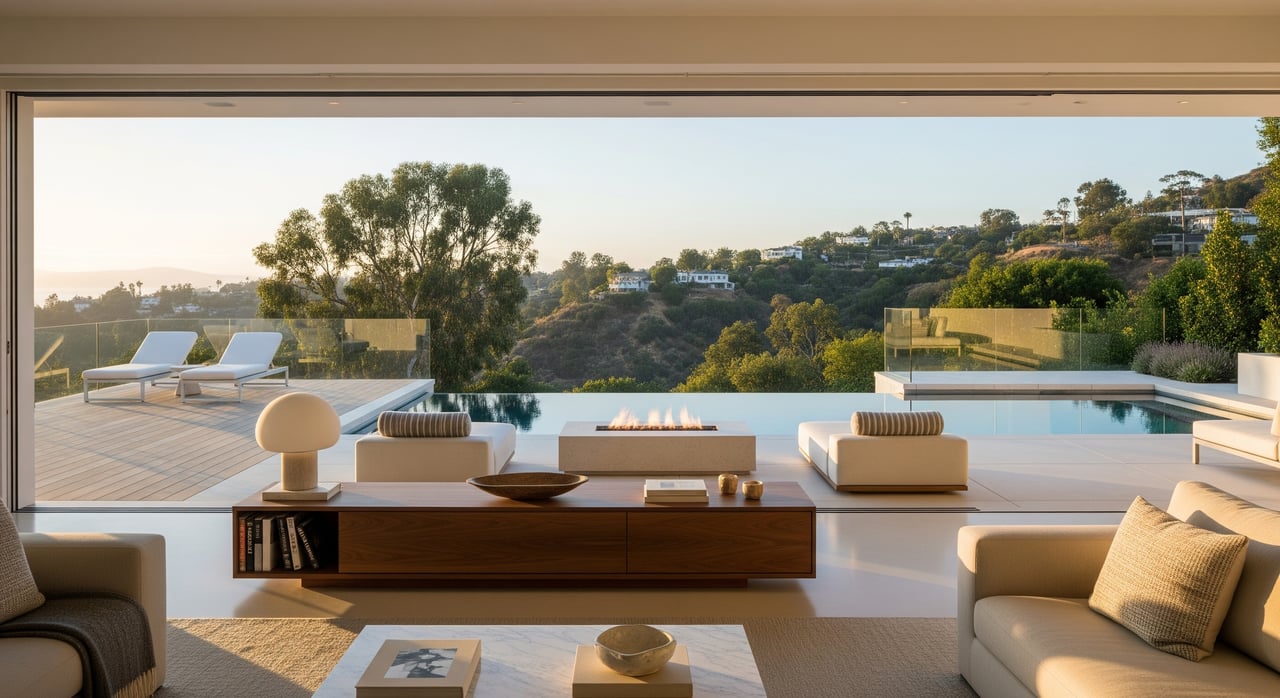
Imagine waking up to sweeping city views, then stepping onto a trail minutes later before your first meeting. That is the draw of Hollywood Hills, but daily life here is more than postcard moments. You want a clear picture of commutes, parking, groceries, permits, and long-term upkeep before you decide. This guide breaks down how the Hills work day to day so you can choose with confidence. Let’s dive in.
Hollywood Hills at a glance
Hollywood Hills sits on the slopes above Hollywood Boulevard across several micro-neighborhoods. You will hear names like Lower Hollywood Hills, Upper Hollywood Hills, Beachwood Canyon, Laurel Canyon, Outpost Estates, and the Cahuenga Pass approaches. Each pocket feels different, from near-grid streets by the Strip to narrow, winding roads higher up.
Two lifestyles intersect here. The entertainment-focused Strip buzzes with foot traffic, restaurants, and venues. The hillside streets above tend to be quieter, with privacy, views, and a close connection to nature. If you prefer a calmer feel, focus your search away from major corridors.
Outdoor life and trails
Outdoor access is a core part of the Hollywood Hills lifestyle. Runyon Canyon Park offers popular hikes, big views, and dog-friendly trails that locals love. Griffith Park adds an extensive network of routes, including paths to Mount Hollywood and the Griffith Observatory.
Beachwood Canyon connects to local trails and the Lake Hollywood Reservoir loop for everyday walking or jogging. On weekends and mornings, expect crowds at popular trailheads. Parking can be limited, and access rules may change seasonally, so plan ahead.
Dining and daily essentials
You will find most grocery options a short drive away along Hollywood and Sunset corridors. Stores include chains like Whole Foods, Trader Joe’s, and Ralphs, plus local markets. Many hillside streets are not walkable to shops, so plan for quick drives for errands.
Everyday services cluster along the commercial strips near the base of the Hills. You will see fitness studios, gyms, pet care, and professional services spread through the area. The nightlife scene is vibrant near Hollywood Boulevard and the Sunset Strip, which brings energy as well as evening activity.
Health care and schools
Hospitals and clinics nearby include Hollywood-area facilities, with larger providers like Cedars-Sinai within a reasonable drive. Specialty care is accessible across Westside and Downtown medical centers.
Public schools fall within the Los Angeles Unified School District. Assignment and performance vary by address. Check current LAUSD boundaries and data for the specific street you are considering. Several private schools and specialty academies are within driving distance in adjacent neighborhoods.
Getting around and commuting
Driving is the primary way most residents move around the Hills. Key roads include US-101, Cahuenga Boulevard through the Pass, Highland, Franklin, Sunset, and Laurel Canyon Boulevard. Travel times vary with traffic, so a short geographic distance can take longer than expected during peak hours.
Metro’s B Line rail runs from Hollywood stations, including Hollywood/Highland and Hollywood/Vine, to Universal City, North Hollywood, and Downtown Los Angeles. Many hillside homes are a short drive from these stations. Buses and the DASH Hollywood circulator serve corridors near the base of the Hills.
Studio access and work hubs
If you work in entertainment, proximity is a strength here. The Hills sit near Hollywood-based production offices and major facilities along Sunset and Vine. Burbank and Universal City studios are close, with Culver City and Downtown also within reach.
Commute reliability depends on time of day. Typical drives can range widely, often 15 to 45 minutes or more based on your route and schedule. Many production professionals rely on flexible hours, early calls, or carpools to smooth the commute.
Housing types and pricing cues
Housing runs from modest cottages and mid-century homes in canyon pockets to modern, luxury builds perched on ridgelines. Small condo and apartment buildings appear closer to the lower-elevation commercial corridors.
View lots and privacy drive strong premiums. Overall, single-family home pricing often sits above Los Angeles County averages, but exact numbers depend on address, micro-neighborhood, and outlook. Expect to pay more for postcard views, long driveways, and gated privacy.
Permits and hillside ownership
Building or remodeling in the Hills usually requires extra diligence. City hillside regulations and grading rules can trigger geotechnical reports, engineered plans, and detailed drainage and erosion control measures. Permits for retaining walls, slope stabilization, and larger additions are common.
Remodel timelines may run longer than on flat lots, and costs can be higher. Some enclaves also use HOAs or covenants that limit exterior changes. When buying, ask for prior geotechnical, structural, and slope stability information in escrow.
Risks, safety, and insurance
Like the rest of Los Angeles, the Hills are in a seismically active region. Confirm whether a home has appropriate structural updates for its era and location. Wildfire risk is elevated in chaparral and brush areas, so maintaining defensible space is important.
Steep terrain also brings erosion and mudflow considerations during heavy rain. Drainage design, retaining walls, and ongoing slope monitoring matter. Insurance for hillside homes can be higher, and standard homeowner policies typically exclude earthquake coverage, with wildfire coverage varying by risk profile.
Crime patterns differ by block. Tourist-heavy corridors can see more petty theft and property crime than quieter hillside streets. Many hillside neighborhoods participate in watch groups and work with local police.
Parking, driveways, and access
Street parking varies by micro-neighborhood. Lower Hills and canyon streets may use Residential Parking Permit zones. Many homes have private garages or driveways, but steep grades and narrow roads can limit guest parking.
In upper elevations, you may see long stairways, switchback roads, or steep driveways. This affects deliveries, moving logistics, and day-to-day convenience. Plan for guest parking and service access before you commit.
Utilities, internet, and service
Utilities are typically provided by the City of Los Angeles and LADWP, with trash and recycling through city services. Some canyon pockets may use private or alternative arrangements for certain services.
Internet options generally include major providers, but canyon topography can lead to spotty cellular reception in specific spots. Test your cell service and internet speeds at the property during your visit.
Smart buyer checklist
- Test your commute at the exact times you expect to travel.
- Walk from the home to the nearest transit, if relevant, to assess last-mile access.
- Verify parking rules, RPP requirements, and guest parking options.
- Request recent geotechnical, structural, and slope stability documentation.
- Inspect drainage, retaining walls, and vegetation management measures.
- Get quotes for homeowners, wildfire, and earthquake coverage for the specific address.
- Confirm utilities, internet options, and cell reception on site.
- Check LAUSD boundaries and school information for the exact address.
- Review any HOA rules or covenants for exterior changes.
Is Hollywood Hills for you?
If you value views, privacy, and immediate access to trails and entertainment, the Hills deliver. Daily life here balances a calm hillside setting with quick access to Hollywood’s restaurants, culture, and studios. The trade-offs are real, including hillside maintenance, parking logistics, and traffic variability.
With the right plan and inspections, you can protect your investment and enjoy the lifestyle that draws so many to these slopes. If you want tailored guidance and access to both on-market and private options, reach out to Anton Ismailyan for a straightforward plan that fits your goals.
FAQs
Is Hollywood Hills walkable for daily errands?
- Walkability varies by block. Lower corridors near Hollywood and Sunset are more walkable, while most hillside streets are not due to steep, winding roads.
How reliable is the commute to studios and Downtown?
- Commutes are time- and route-dependent. The B Line rail from Hollywood stations offers reliable trips to Universal City and Downtown; many residents mix transit and driving.
What inspections should I order for a hillside home?
- Ask for geotechnical and structural reports, and inspect retaining walls and drainage. A current geotech study is wise if you plan major work.
Are hillside homes more expensive to maintain?
- Yes. Expect costs for vegetation management, erosion control, drainage and retaining-wall upkeep, plus specialized hillside contractors.
What should I know about insurance in the Hills?
- Standard homeowner policies typically exclude earthquake coverage, and wildfire coverage can be costlier in higher-risk areas. Get address-specific quotes.
How does parking work for residents and guests?
- Many areas use Residential Parking Permit zones. Narrow streets and nearby attractions can limit guest parking, so confirm options in advance.
What about schools in Hollywood Hills?
- Public schools are in LAUSD, with assignment and quality varying by address. Confirm current boundaries and available programs for your specific location.