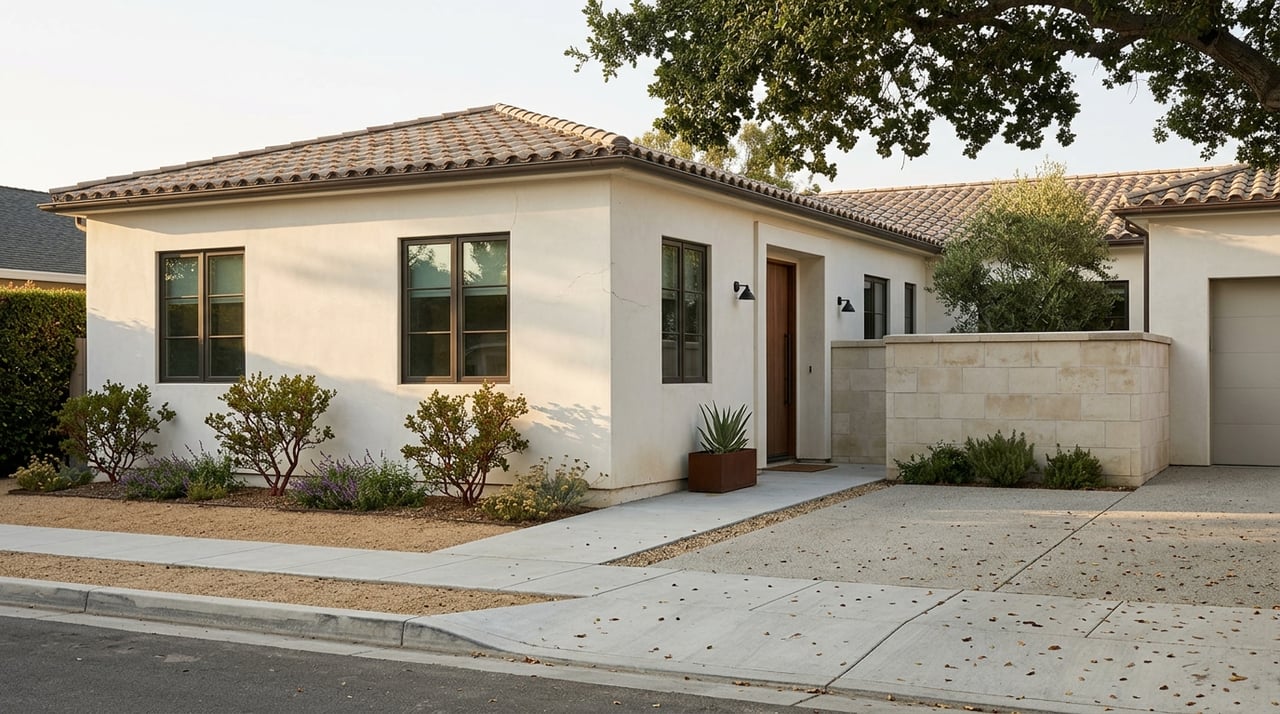
Curious why Little Holmby homes feel so timeless? In this Westwood pocket, architecture is a big part of the appeal, with many homes dating from the late 1920s through the 1950s and showing a strong mix of historic revival styles alongside notable mid-century design. If you are searching for Little Holmby real estate, understanding these styles can help you read listings more clearly and spot the details that matter most. Let’s dive in.
Little Holmby Architecture at a Glance
Little Holmby is best understood as a historic residential area shaped by Westwood’s early and mid-20th-century growth. The Janss Corporation began creating a premier subdivision in the Westwood hills during the 1920s, and UCLA moved to its current site in 1925. That timeline helps explain why so many homes in and around Little Holmby reflect the design trends of that era.
City planning records describe the broader Holmby-Westwood area as mostly one- and two-story single-family homes built from the late 1920s through the 1950s. The strongest architectural thread is Period Revival, with roughly half of extant homes in the area identified as American Colonial Revival or Spanish Colonial Revival. At the same time, survey records also identify Mediterranean Revival, Tudor Revival, French Revival, and Mid-Century Modern examples, which gives the neighborhood a layered, varied character.
What “Traditional” Means Here
In Little Holmby, “traditional” is not one exact style. It is better used as an umbrella term for several revival-based homes that share a polished, established look. That can include American Colonial Revival, Tudor Revival, French Revival, Norman influences, and related historic styles documented in local survey work.
For you as a buyer or seller, that matters because a listing labeled “traditional” may look very different from one property to the next. One home may lean formal and symmetrical, while another may feel more storybook or European in character. The shared theme is usually a classic exterior presence and a more room-defined layout than you would expect in a later mid-century house.
American Colonial Revival Features
American Colonial Revival is one of the clearest style references in the area. Local records describe these homes as typically one or two stories with simple forms, symmetrical facades, hipped or gabled roofs, paneled front doors with sidelights or transoms, multi-paned double-hung windows, shutters, and clapboard or brick exteriors.
In day-to-day living, these homes often feel formal and structured. You may see a defined entry sequence, separate living spaces, and a floor plan that feels more compartmentalized than open. If you like a classic facade and a sense of architectural order, this style often delivers that well.
Colonial Revival Clues in Listings
When you read a listing, look for a few telltale cues:
- Symmetrical front elevation
- Multi-paned double-hung windows
- Paneled entry door with sidelights or a transom
- Clapboard or brick exterior details
- Gabled or hipped rooflines
These details usually signal a home that leans formal, balanced, and rooted in revival-era design.
Spanish Colonial Revival Appeal
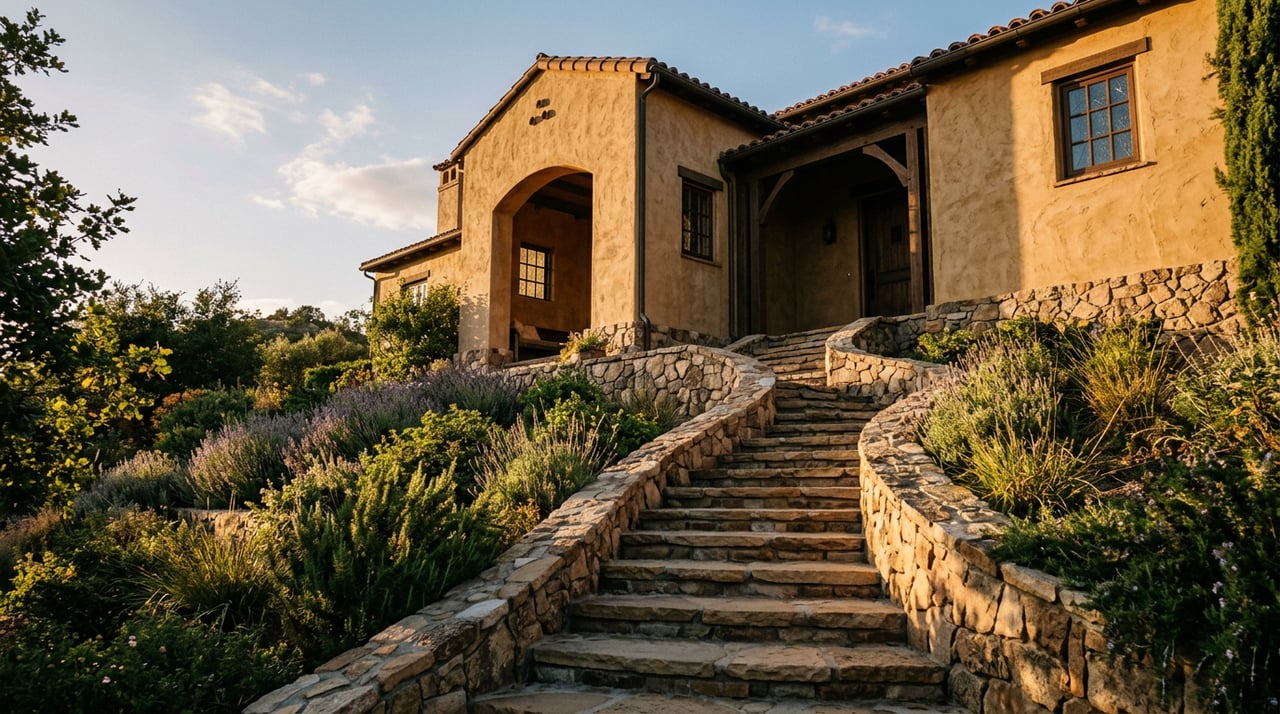
Spanish Colonial Revival is another major part of Little Holmby’s architectural identity. In the broader Holmby-Westwood area, city preservation records note that roughly half of extant residences are either American Colonial Revival or Spanish Colonial Revival. That means Spanish-style homes are not a niche presence here. They are central to the neighborhood’s visual vocabulary.
This style is often easy to recognize because it feels warm, textured, and connected to outdoor living. Common features include stucco exteriors, clay tile roofs or tile coping, arches, patios, courtyards, loggias, casement windows, and one- or two-story massing. The result is a home that can feel both elegant and relaxed.
Why Spanish Style Stands Out
Spanish Colonial Revival often offers more expressive surfaces and shapes than Colonial Revival. Instead of a strictly balanced facade, you may notice richer rooflines, arched openings, wrought iron details, and a stronger relationship between indoor rooms and outdoor spaces.
If you are comparing homes, this style often appeals to buyers who want architectural character with a softer, more organic feel. Courtyards, loggias, and patios can also shape how the home lives on a daily basis, especially if indoor-outdoor flow is high on your list.
Tudor and French Revival Character
Little Holmby’s traditional housing stock is not limited to Colonial and Spanish influences. Survey records also identify Tudor Revival and French Revival homes in the area, including examples from the 1930s and late 1930s. These styles add to the neighborhood’s depth and help explain why “traditional” can cover several different looks.
Tudor and French Revival homes often carry a distinctly historic presence. Even when the details vary from house to house, these homes usually contribute to the established, polished feel that many buyers associate with Little Holmby. When you tour them, focus on how the architecture affects the layout, scale, and overall mood of the home.
Mid-Century Modern in Little Holmby
While revival styles define much of the neighborhood, mid-century design is also part of the local story. SurveyLA identifies the 1950 Sidney and Frances Brody Residence in the Little Holmby area as an excellent example of Mid-Century Modern residential architecture by A. Quincy Jones, Billy Haines, and Garrett Eckbo. That is a strong reminder that Little Holmby’s architectural identity is not frozen in one style.
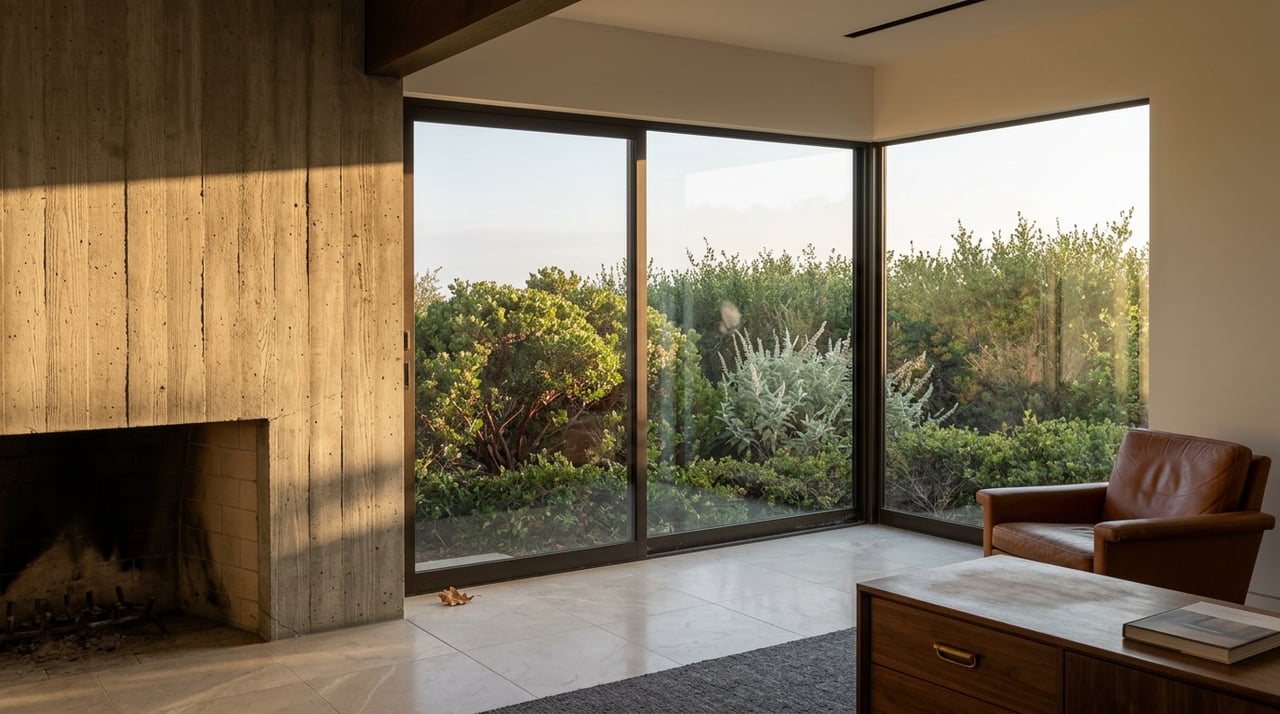
City Planning describes Mid-Century Modern homes as having simple geometric forms, horizontal massing, visible structure, large expanses of glass, open interior plans, flat or gabled roofs, and minimal ornament. For you, that usually translates to a lighter, more casual house with open living areas and stronger indoor-outdoor flow.
Mid-Century Style Signals
If a listing mentions mid-century or mid-century-inspired design, look for these features:
- Low, horizontal rooflines
- Large glass openings
- Open living and dining areas
- Minimal ornament
- A simple geometric exterior
- A spatial feel that connects interior rooms to the yard
This is where style becomes more than decoration. In many cases, the real difference is how the house feels when you move through it.
Why Style Labels Only Tell Part of the Story
In Little Holmby, the style name is often just a starting point. Two homes may both be called traditional, yet one can feel formal and symmetrical while the other feels textured and courtyard-centered. A home labeled mid-century-inspired may not be a pure historic example, but it may still deliver the open plan and natural light that many buyers want.
That is why it helps to look beyond the facade. Pay attention to the plan, the quality of light, the relationship to the yard, and how the rooms connect. In a neighborhood with such a rich architectural mix, those lived-in details are often just as important as the official style label.
How to Evaluate Little Holmby Listings
When you are browsing Little Holmby real estate, a few architecture terms can help you quickly understand what a listing is signaling. These words are especially useful when comparing homes across different eras and design approaches.
Key Terms to Know
- Period Revival: A broad term for historicist styles that look back to earlier eras. In Little Holmby, this often means Colonial, Tudor, French, or Mediterranean influences.
- Symmetrical facade: A balanced front elevation, commonly associated with Colonial Revival.
- Stucco, clay tile, arches, loggia: Strong Spanish Colonial Revival cues.
- Open floor plan, large glass, post-and-beam feel: Common Mid-Century Modern signals.
These terms can help you sort listings faster, but they also help you ask better questions when touring a home. Once you know the architectural language, it becomes easier to connect a listing description with what you will actually experience in person.
What This Means for Buyers and Sellers
If you are buying in Little Holmby, architectural style can guide your search in a practical way. It affects not only curb appeal, but also layout, natural light, privacy, and how indoor and outdoor spaces work together. Knowing the difference between revival-era formality and mid-century openness can save you time and sharpen your priorities.
If you are selling, your home’s style is part of its market story. Clear positioning matters, especially in a neighborhood where buyers often respond strongly to character, design details, and historic feel. Thoughtful marketing can help frame the home accurately, whether it is a classic Colonial Revival, a warm Spanish-style residence, or a more open mid-century property.
Little Holmby rewards buyers and sellers who pay attention to nuance. The neighborhood is not defined by a single look, but by a collection of well-established styles that give it lasting appeal. If you understand that mix, you are better prepared to evaluate homes, interpret listings, and make more confident real estate decisions.
If you want help navigating Little Holmby real estate, from identifying architectural fit to finding on-market and private opportunities, connect with Anton Ismailyan.
FAQs
What architectural styles are common in Little Holmby homes?
- Little Holmby homes are commonly associated with Period Revival styles, especially American Colonial Revival and Spanish Colonial Revival, along with Tudor Revival, French Revival, Mediterranean Revival, and some Mid-Century Modern examples.
What does “traditional” mean in Little Holmby real estate listings?
- In Little Holmby, “traditional” usually works as an umbrella term for revival-style homes such as Colonial, Tudor, and French Revival rather than describing one exact architectural style.
How can you identify a Spanish Colonial Revival home in Little Holmby?
- You can often identify a Spanish Colonial Revival home by features like stucco walls, clay tile roofing, arches, courtyards, patios, loggias, casement windows, and a stronger indoor-outdoor feel.
How can you identify a Colonial Revival home in Little Holmby?
- Colonial Revival homes in Little Holmby often show symmetrical facades, multi-paned double-hung windows, paneled front doors with sidelights or transoms, shutters, and gabled or hipped roofs.
What makes Mid-Century Modern homes different in Little Holmby?
- Mid-Century Modern homes usually feel more open and light-filled, with simple geometric forms, large expanses of glass, horizontal massing, minimal ornament, and stronger connections between interior spaces and the yard.
Why do architectural styles matter when buying Little Holmby real estate?
- Architectural style can shape how a home looks and lives, including its floor plan, natural light, indoor-outdoor flow, and overall feel, which makes it an important part of comparing properties in Little Holmby.