Wondering if a condo or townhome is the smartest way to buy into the Hollywood Hills? You are not alone. Many buyers want the location, the views, and the lifestyle, but they also want a more manageable price point and less upkeep than a detached hillside home. This guide will help you understand where these properties tend to show up, how ownership structures work in California, and what to review before you write an offer. Let’s dive in.
Where condos and townhomes appear
In the Hollywood area, the hills sit to the north and northwest, where streets are often narrower, steeper, and more winding than the flatland below. Community planning materials also note that multifamily housing is more concentrated south of the hills in flatter areas. That helps explain why condo and townhome options often appear near edge locations, canyon entrances, and corridor-adjacent pockets rather than deep into the steepest single-family sections.
In practical terms, buyers often see this product around areas tied to easier access routes. Recent examples include condo communities on Cahuenga Boulevard, condos near Franklin Village, and units around Beachwood Canyon at the base of the hills. If you want a Hollywood Hills address without taking on a large detached property, these are often the types of opportunities that come up.
Townhomes are usually the smaller slice of the market here. Condos tend to appear more often, while true townhouses can be harder to find. That limited supply matters because if you are set on a townhome layout, you may need to move quickly when the right listing hits.
Know what you are actually buying
California ownership matters
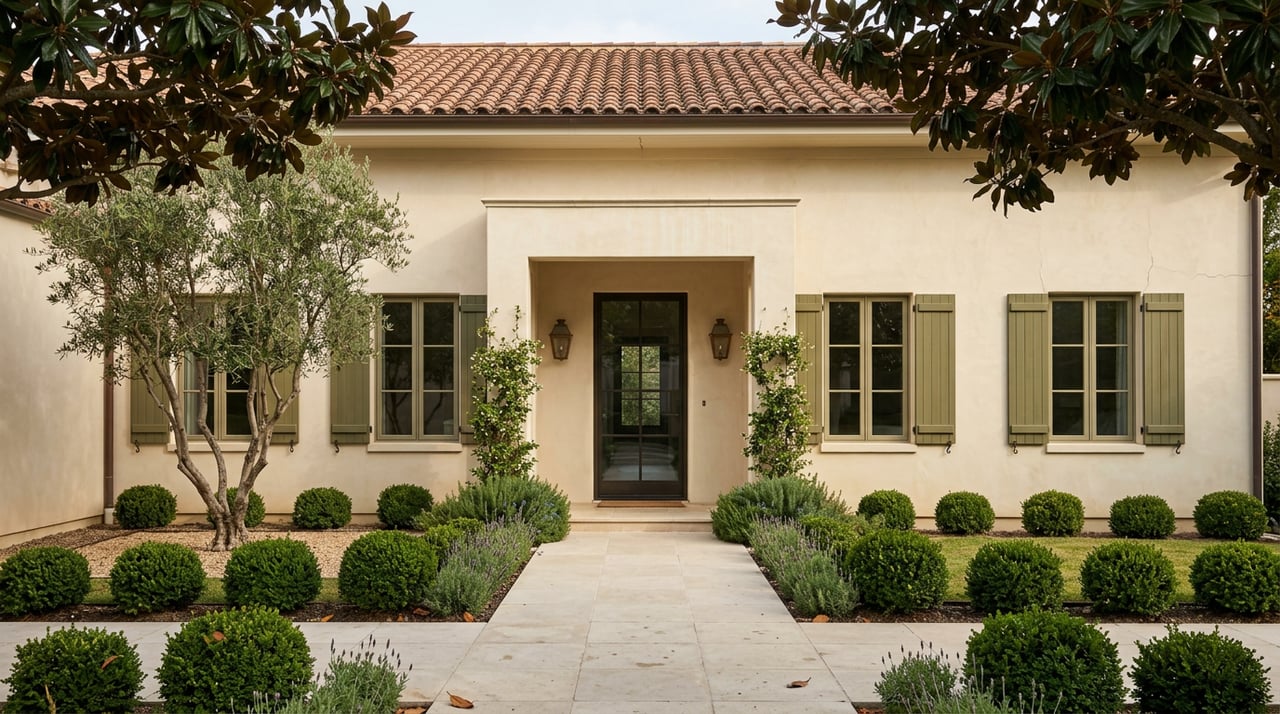
In Hollywood Hills, a home that looks like a townhome is not always legally a townhome. California’s Department of Real Estate makes it clear that ownership type is defined by law, not by architecture. A property with multiple levels, direct entry, and a townhouse feel may still be legally structured as a condominium.
That distinction affects more than paperwork. In a condominium, you own your unit plus an ownership interest in the common area. In a planned development, you typically own the home on a separate lot and share common areas through the homeowners association.
Why “townhome-style condo” is common
This comes up often in the Hollywood Hills. Some listings are marketed as townhouse-style condos, while others are labeled as condos even though the floor plan reads like a townhome. If you are comparing options, do not rely on the exterior style or marketing language alone.
Instead, confirm the legal property type early. That can shape your financing options, insurance needs, maintenance responsibilities, and the level of HOA control over the property. It also affects how the home may feel day to day compared with a detached house, which usually comes with more exterior responsibility but fewer shared rules.
Compare lifestyle and maintenance
For many buyers, the appeal of a condo or townhome in the Hollywood Hills is simple. You can often get into a desirable area with less maintenance and a lower purchase price than a detached hillside home. That can be especially attractive if you want lock-and-leave convenience or do not want to manage larger exterior systems on a slope.
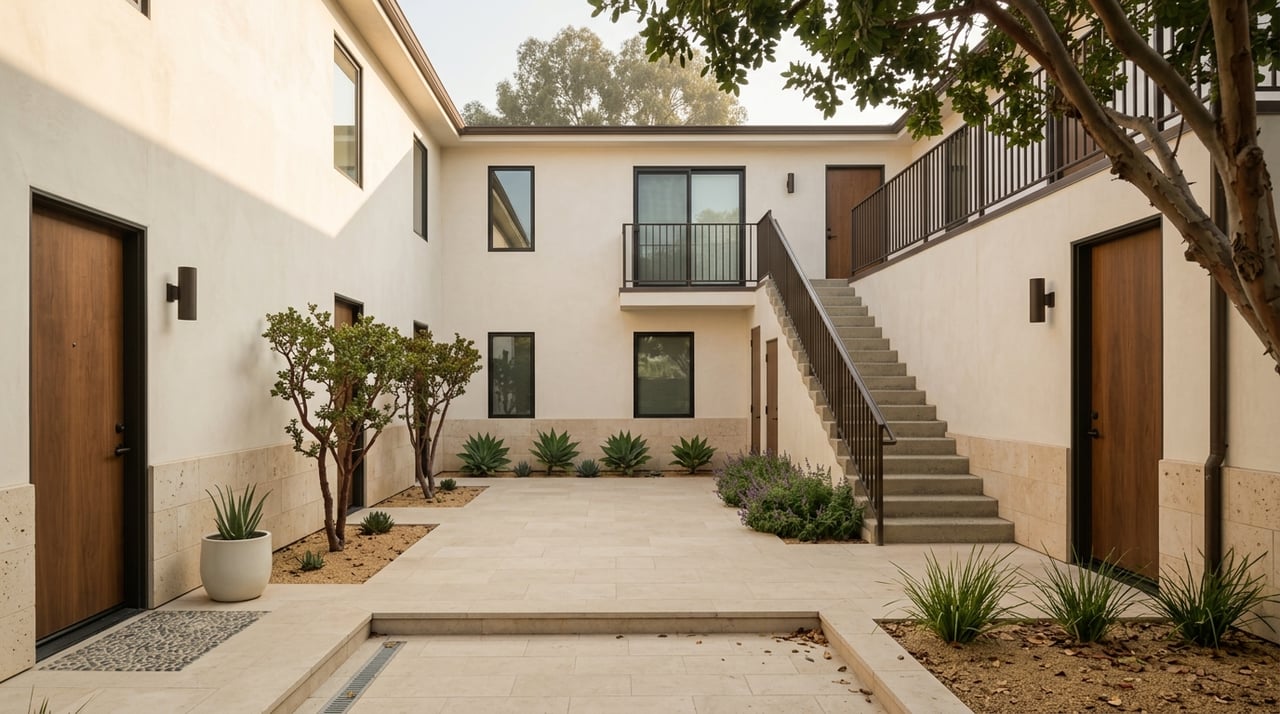
The tradeoff is shared governance. You may have HOA rules covering exterior changes, pets, rentals, remodels, parking, or EV charging. You may also be sharing roofs, decks, stairways, drainage systems, or retaining elements that require collective maintenance and budgeting.
Understand HOA dues and reserves
Monthly dues are part of affordability
HOA dues are typically paid separately from your mortgage payment. Those dues can range from a few hundred dollars per month to more than one thousand dollars per month. In the Hollywood Hills, that monthly number can make a major difference in your real budget.
A building with more amenities may come with higher dues. A smaller building with fewer shared features may have lower dues, but it may also offer fewer conveniences. The right fit depends on whether you value lifestyle amenities, simpler overhead, or a balance of both.
Amenities vary a lot
Not all Hollywood Hills condo communities offer the same experience. Some are resort-style and include features like pools, tennis courts, clubhouses, gyms, guest parking, trails, or pet-focused amenities. Others are much smaller buildings with only basic shared spaces.
That range is worth paying attention to because the amenity package should line up with your actual needs. If you are paying higher dues, you should know exactly what you are getting in return.
Reserve health matters
California law requires associations to provide an annual budget report that includes a reserve summary, reserve funding plan, insurance summary, and statements about expected special assessments and outstanding loans. For condominium projects, the annual report must also disclose whether the association is FHA-approved and VA-approved.
The reserve summary is especially important because it shows estimated replacement costs, remaining useful life, and any reserve funding deficiency for major components. In a hillside setting, those components may include roofs, balconies, decks, stairways, drainage systems, and other shared elements that can be expensive to repair. A low monthly HOA due is not always a bargain if the reserves are thin.
Review building condition carefully
Exterior elevated elements need attention
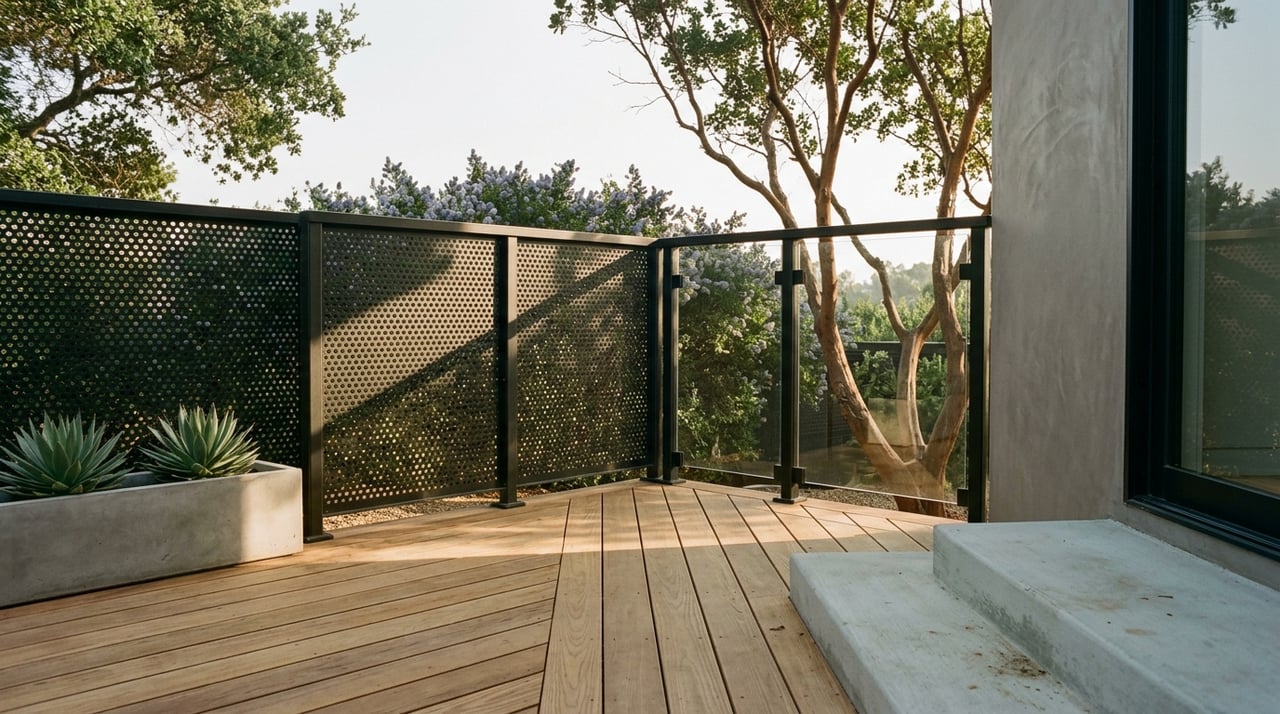
California Civil Code section 5551 requires condominium associations to inspect exterior elevated elements at least once every nine years. The first inspection was due by January 1, 2025, and reports must be kept for two inspection cycles. If a building has older wood-framed balconies, stairways, decks, or walkways, this is an especially important area to review.
As a buyer, ask for the inspection history and any completed or recommended follow-up repairs. In hillside properties, these elements are not just cosmetic. They can be central to safety, maintenance planning, and future association costs.
Questions worth asking the HOA
Before you move forward, try to get clear answers to a few key questions:
- What do the monthly dues cover?
- Is there a reserve shortfall?
- Are any special assessments planned or being discussed?
- What is the master insurance deductible?
- Are there restrictions on rentals, pets, remodels, or EV charging?
- Are there any outstanding loans, structural debts, or pending lawsuits?
These questions help you look beyond the list price. They also give you a better sense of whether the building is being run in a stable and forward-looking way.
Financing can be more project-sensitive
Your loan depends on more than you
Buying a condo is not exactly like buying a detached house. Fannie Mae notes that lenders review condo, co-op, and planned unit development project risk in addition to evaluating the borrower. That means even a well-qualified buyer can run into issues if the project itself does not meet lending standards.
One term you may hear is warrantable. Buyers should ask whether the building is considered warrantable under Fannie Mae and Freddie Mac guidelines. That can influence financing options, resale flexibility, and how smoothly the transaction moves.
FHA and VA status can matter
California law requires condominium associations to disclose whether the project is FHA-approved and VA-approved in the annual report. Even if you are not using one of those loan types, approval status can still affect the buyer pool later when you sell. In a market segment with limited inventory, broader financing access can be a meaningful advantage.
Because buyers often have only a limited time to review HOA documents once an offer is accepted, it helps to be organized early. If possible, line up your lender, know your financing goals, and be ready to review project documents quickly.
Hollywood Hills risks to evaluate
Wildfire and hazard zones
Hollywood Hills buyers should pay close attention to wildfire risk. CAL FIRE classifies Fire Hazard Severity Zones as moderate, high, or very high based on factors such as terrain, fuels, weather, fire history, and expected fire behavior. In a hillside location, that can be a real part of ownership due diligence.
It is smart to verify the property’s fire-hazard designation by address. You should also ask what the HOA handles versus what you may be responsible for as an owner, especially if defensible space or exterior upkeep applies to the property.
Access, parking, and evacuation
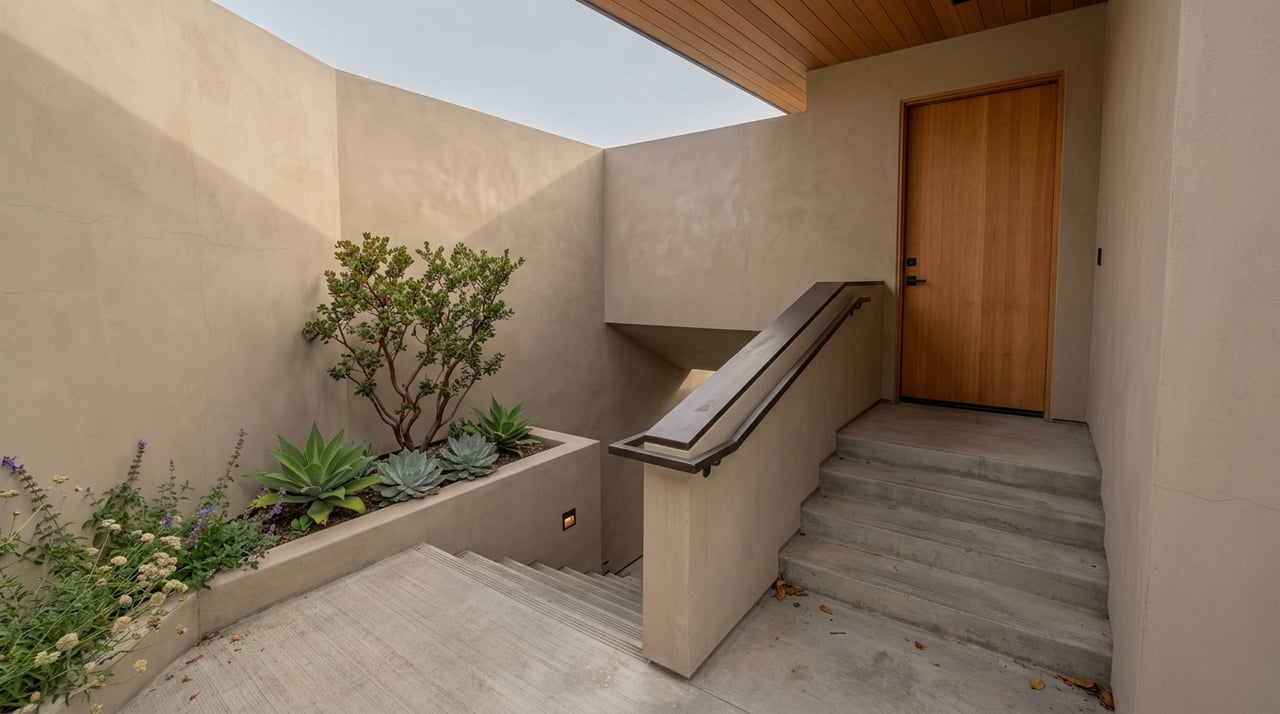
Daily convenience matters in the hills. Narrow roads, tighter parking, long stair access, and slope-driven site design can all affect how a property lives. Those same features can also matter when you think about emergency access and evacuation planning.
A condo or townhome that looks great online may feel very different once you test the route in and out, check guest parking, and walk the site in person. In this part of Los Angeles, access is not a side issue. It is part of the buying decision.
A smart buying approach
If you are shopping for a condo or townhome in the Hollywood Hills, focus on three things at once: the location, the ownership structure, and the health of the HOA. That combination usually tells you far more than square footage alone. It also helps you avoid surprises after closing.
A well-chosen property can give you a Hollywood Hills foothold with less maintenance, strong day-to-day convenience, and a lifestyle that fits how you actually live. The key is knowing how to separate a great-looking listing from a truly solid purchase.
If you want help comparing condos, decoding HOA documents, or finding on-market and private opportunities in the Hollywood Hills, connect with Anton Ismailyan. You will get local, strategic guidance built around your goals.
FAQs
What should you know before buying a Hollywood Hills condo?
- You should confirm the legal property type, review HOA dues and reserves, ask about special assessments, check building-condition reports, and understand hillside issues like access and wildfire risk.
How are Hollywood Hills townhomes different from condos?
- In California, the legal ownership structure controls, not the exterior look. A home that looks like a townhome may still be a condominium with shared common-area ownership and HOA rules.
Are HOA dues included in a Hollywood Hills mortgage payment?
- HOA dues are usually paid separately from your mortgage payment, and they can range from a few hundred dollars per month to more than one thousand dollars per month.
Why is financing a Hollywood Hills condo sometimes harder?
- Condo financing can depend on both your qualifications and the project itself, including whether the building meets lender standards and whether it is considered warrantable.
What HOA documents matter when buying a Hollywood Hills condo?
- Key documents include the annual budget report, reserve summary, reserve funding plan, insurance summary, and any disclosures about special assessments, loans, or FHA and VA approval status.
What hillside risks matter when buying a Hollywood Hills townhome or condo?
- Important issues can include wildfire hazard designation, defensible space responsibilities, narrow access roads, parking constraints, evacuation planning, and the condition of shared balconies, decks, stairways, and walkways.