If you are house hunting in Hollywood Hills, you have probably noticed a common trade-off fast: the homes with the biggest views do not always feel the most private, and the homes that feel tucked away may not deliver the same sweeping outlook. That tension is real in this hillside market, where slope, street position, and future development potential can shape how a home feels every day. In this guide, you will learn how to think about view versus privacy in practical terms, what questions to ask before you make an offer, and how to spot the homes that offer the best long-term fit. Let’s dive in.
Why view and privacy collide here
Hollywood Hills is not a flat, uniform neighborhood. It sits in hillside and mountainous terrain, and the updated Hollywood Community Plan focuses on preserving views, natural character, topography, and minimizing grading in hillside residential areas.
That matters because a home’s setting is doing a lot of the work. In Hollywood Hills, elevation, slope, lot shape, and street relationship often affect your daily experience just as much as the square footage or finishes inside the house.
A higher or more exposed lot may open up wider vistas and more natural light. At the same time, that same position can reduce seclusion, especially if neighboring homes, roads, or outdoor spaces create direct sightlines into the property.
A recessed or lower-positioned lot may feel calmer and more shielded. The trade-off is that the view may be narrower, more filtered, or centered on greenery instead of a broader city or canyon panorama.
Why micro-location matters so much
Hollywood Hills pricing shows how much lot position and outlook can matter. Recent market snapshots show broad variation across nearby pockets, with Hollywood Hills around a $1.73 million median sale price in May 2026, while subareas like Hollywood Hills West, Mount Olympus, and Outpost show much higher median listing prices.
That spread does not prove a single, isolated view premium. What it does show is that hillside submarkets can perform very differently, and micro-location plays a major role in how buyers value a home.
For you as a buyer, that means two homes with similar bedroom counts can feel like completely different products. One may sell on openness and drama, while the other may appeal more because it feels hidden, grounded, and easier to live in day to day.
How topography shapes the decision
High-side versus low-side lots
One of the first things to understand is whether a home sits on the high side or low side of the street. In a hillside area, that can influence how much of the property is visible, how the entry feels, and whether your main living spaces open outward or feel more enclosed.
In general, higher or more exposed lots tend to feel more open. Lower or more recessed lots often feel more protected. That is not a hard rule, but it is a useful starting point when you tour homes in Hollywood Hills.
Street relationship matters
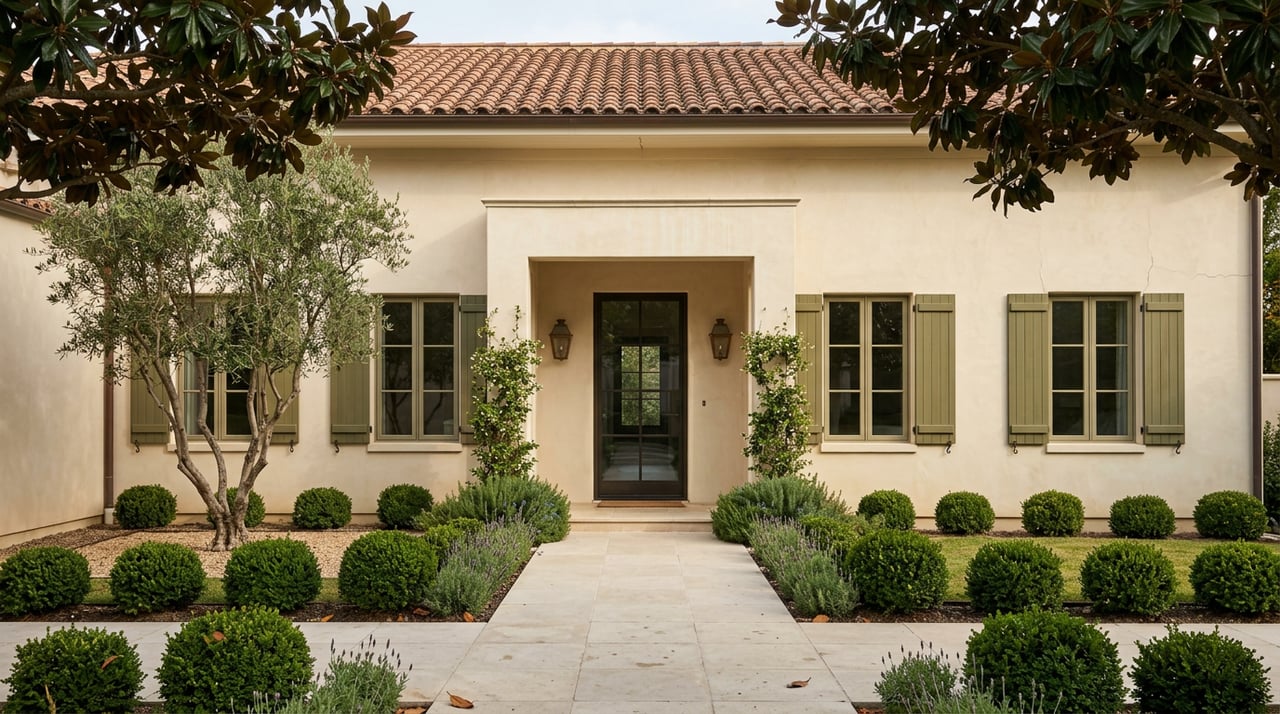
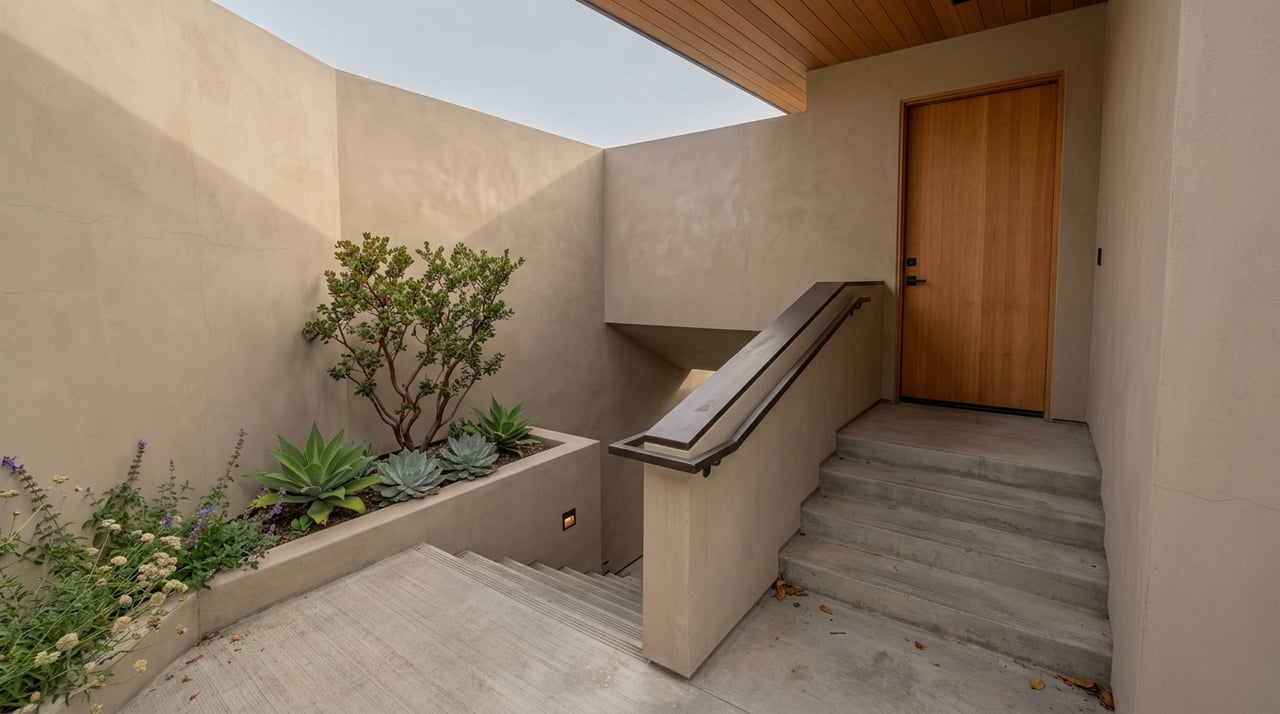
Some hillside homes are barely visible from the street because of walls, fences, landscaping, or the slope itself. Others sit in a way that puts windows, decks, or entry areas in clearer view.
When you walk a property, pay attention to more than the view line from the living room. Notice how the home relates to the road, neighboring lots, and any outdoor areas you would actually use on a regular basis.
Privacy can come from different sources
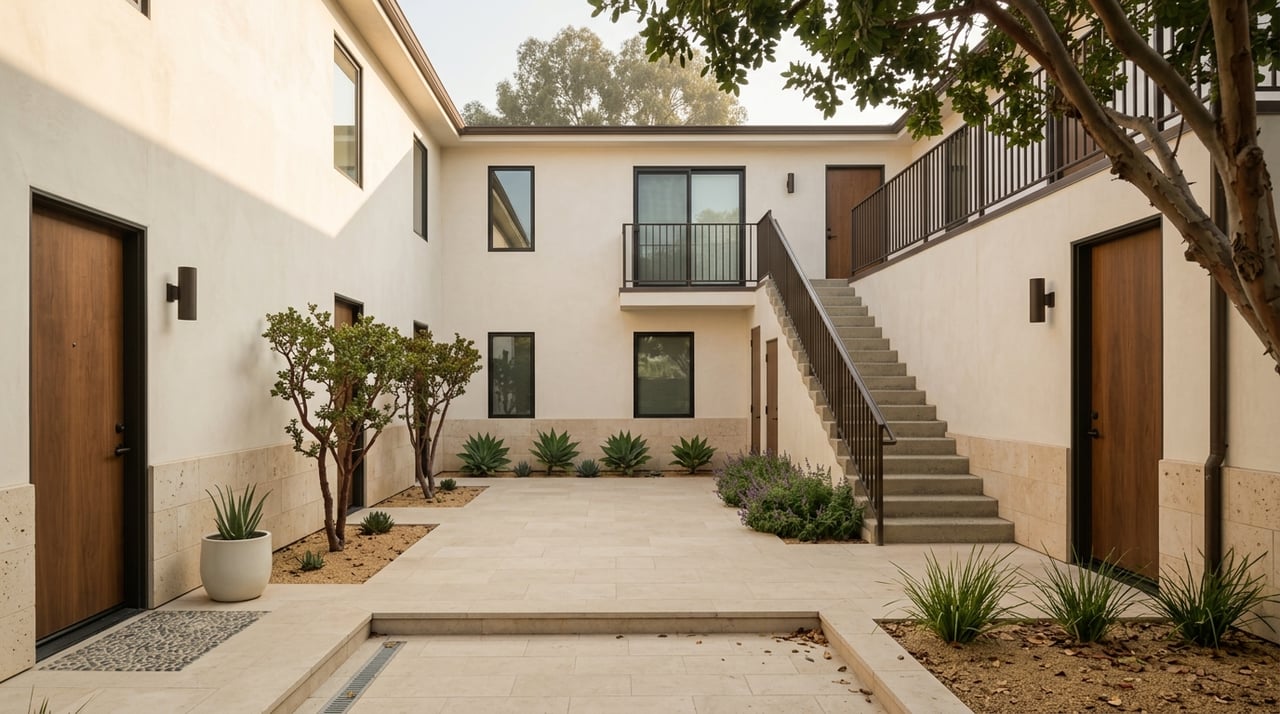
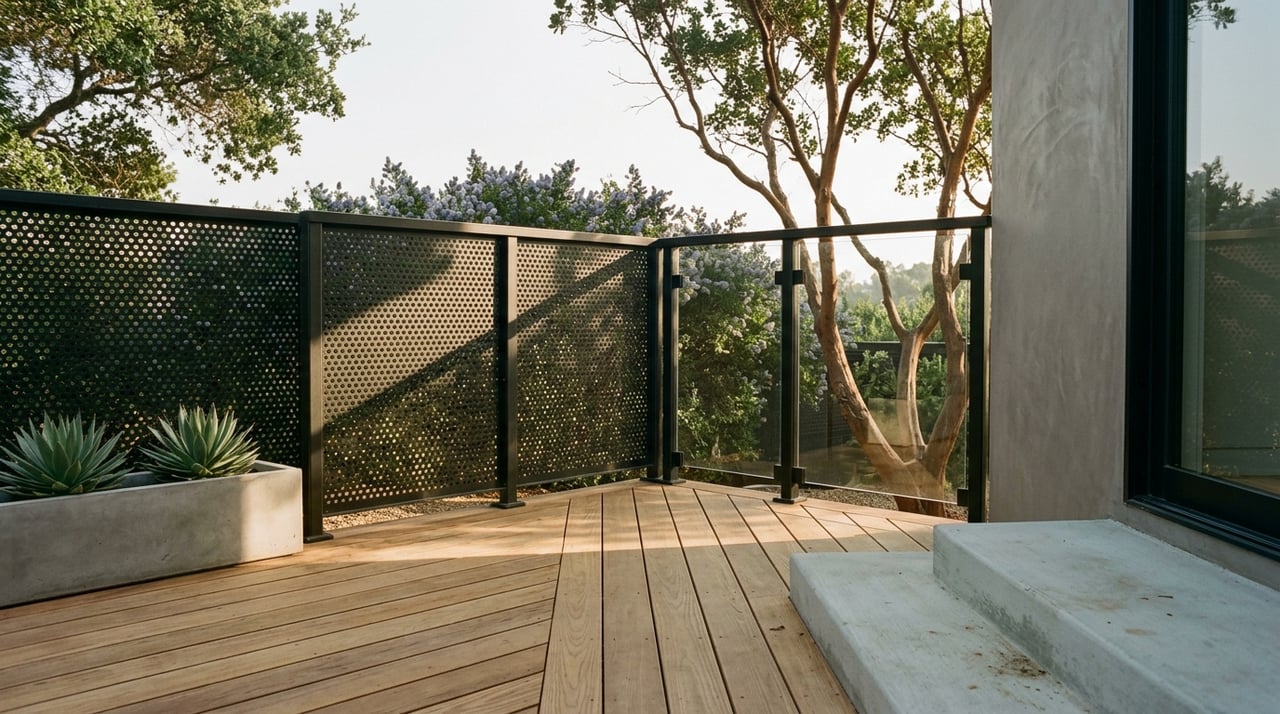
Not all privacy is created the same way. Some homes feel private because the lot geometry naturally blocks sightlines, while others depend more on landscaping, walls, or screening elements.
That distinction matters because natural privacy can be harder for surrounding conditions to undo. If most of the privacy comes from features that are expensive to recreate or maintain, you should factor that into your decision.
Why today’s view may change later
One of the biggest mistakes buyers make in hillside areas is assuming a great view is automatically permanent. In Los Angeles planning language, public views and private views are treated differently, and private views are generally not protected unless a specific ordinance or plan policy applies.
In plain terms, a home can have an impressive view today without any guarantee that it will stay exactly the same. If nearby land can still be built or improved within allowed standards, your outlook may be more vulnerable than it appears during a showing.
That is why future build-out potential matters almost as much as the existing view. Before you fall in love with a skyline or canyon backdrop, it is worth asking what could change on the lots around you.
Overlays and hillside rules matter
Los Angeles adds extra layers of control in some hillside areas through overlays and specific plans. Parts of Hollywood and nearby hillside communities may fall under the Mulholland Scenic Parkway Specific Plan, which adds design review and corridor regulations.
The city’s hillside development standards also flag issues like street access, setbacks, height limits, lot coverage, grading, off-street parking, and maximum residential floor area. Those are not abstract planning details. They can shape what you can do with a property and what neighboring properties may be able to do over time.
If you are weighing a view-first home against a privacy-first home, these rules can help you judge which compromise is more manageable. In some cases, a modest current view on a well-buffered lot may be the steadier long-term choice.
A simple way to compare homes
When you tour Hollywood Hills homes, it helps to sort each property into one of three buckets.
View-first homes
These homes usually win on openness, sightlines, and visual impact. The best version of a view-first home is one where the main living spaces and outdoor areas actually face the view, not just a small deck or rooftop corner.
For this type of home, your main question should be: how secure is this outlook? A strong view is more compelling when future obstruction seems limited by lot geometry or overlay rules.
Privacy-first homes
These homes tend to feel more sheltered from neighboring sightlines and street exposure. You may find larger side or rear buffers, mature screening, and a more secluded ground-level experience.
For this type of home, ask yourself whether the privacy feels structural or cosmetic. If the sense of retreat depends mostly on removable landscaping, the experience may be less durable than it first appears.
Balanced homes
In many cases, the best long-term fit is a home that gives you an attractive outlook while still feeling tucked away where it counts. That might mean a quieter entry, protected outdoor living space, and main rooms that still capture light or canyon views.
Balanced homes can be especially appealing because they reduce the need to choose one extreme. In a market like Hollywood Hills, that middle ground can offer strong lifestyle value.
Questions to ask at showings
Showing day is your chance to look beyond staging and finishes. These questions can help you assess whether a home’s view and privacy are likely to hold up.
- Where is the best view from: the living room, primary bedroom, or only a deck or roof?
- Is the home on the high side or low side of the street, and what does it face?
- What is directly in front of the lot now, and could that area be developed higher later?
- Does any part of the property fall under the Mulholland Specific Plan or another overlay?
- How much of the privacy comes from landscaping versus walls or lot geometry?
These questions connect directly to hillside development standards. They are not minor details, because they can affect both your experience of the home and its long-term value.
What to review during inspections
In Hollywood Hills, privacy and view are only part of the picture. The physical realities of a hillside property matter too.
During inspections and due diligence, ask about the following:
- Drainage issues
- Retaining walls
- Grading conditions
- Driveway practicality and street access
- Trees, walls, or slope conditions that buffer privacy
- Whether additions or exterior changes may be limited by overlays or specific plan rules
A home with a dramatic outlook may lose some appeal if access is awkward or if slope-related maintenance becomes a recurring issue. On the other hand, a more private home with practical access and fewer site complications may deliver a smoother ownership experience.
How the current market affects your leverage
Recent data suggests both Hollywood Hills and the broader 90046 area have been somewhat softer by recent metrics, with homes selling below asking on average. Redfin reported Hollywood Hills homes sold about 2.15% below asking on average in May 2026, and Realtor.com reported about 2.45% below asking on average in 90046.
That does not mean every seller is flexible, especially for standout properties. But it may give you room to negotiate more carefully on homes where the trade-off is less favorable, such as a great-view home with limited privacy or a private home with a weaker outlook.
This is where a strategic, local read matters. If a property asks you to compromise, the price should reflect that compromise.
Choosing the right fit for your lifestyle
The right answer is not the same for every buyer. If you host often, work from home, or simply want that classic Hollywood Hills visual payoff, a view-first home may be worth the exposure.
If you care more about quiet outdoor time, lower visibility, and a tucked-away feel, privacy may matter more than a dramatic panorama. And if you want the most balanced day-to-day experience, you may be happiest holding out for a home that delivers both at least in part.
The key is to evaluate the property as a whole. In Hollywood Hills, the smartest decision usually comes from looking at the lot, the street, the slope, the rules, and the nearby build potential together, not just the photo-worthy moment from one window.
If you want help comparing Hollywood Hills homes, evaluating trade-offs, or finding on-market and private opportunities that match your priorities, reach out to Anton Ismailyan.
FAQs
What does view versus privacy mean in Hollywood Hills homes?
- In Hollywood Hills, view versus privacy refers to the common trade-off between wider sightlines and a more secluded feel, which is often shaped by slope, lot position, and surrounding homes.
Why can a Hollywood Hills home have a great view but less privacy?
- A Hollywood Hills home may have less privacy because higher or more exposed lots often create broader views while also opening the property to more neighboring or street-level sightlines.
Are private views protected for Hollywood Hills properties?
- Private views are generally not protected unless a specific ordinance or plan policy applies, so a current view may still change if nearby lots can be developed within allowed standards.
What should you ask when touring a Hollywood Hills view home?
- You should ask where the best view is from, whether the lot is on the high or low side of the street, what sits in front of the property, and whether overlays or specific plans apply.
How do hillside rules affect privacy and views in Hollywood Hills?
- Hillside rules can affect privacy and views by shaping what can be built on or around a property, including factors like height, setbacks, grading, lot coverage, parking, and street access.
Is it easier to negotiate on Hollywood Hills homes with trade-offs?
- Recent market data suggests some buyers may have room to negotiate on homes with weaker privacy, less compelling views, or other compromises, since homes have been selling below asking on average.